

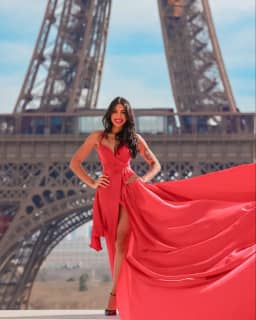
1. Introduction: The Magic of Flying Dress Photoshoots in Paris
There is a reason the flying dress photoshoot has taken the travel world by storm. Originating in the sun-drenched, white-washed cliffs of Santorini, Greece, this dramatic style of photography has evolved. Today, Paris stands as the ultimate capital of fashion, romance, and history, providing a breathtaking, majestic backdrop that contrasts beautifully with the dynamic flow of an ultra-long satin train. When you combine the iconic, timeless architecture of the Eiffel Tower with a vibrant dress flowing majestically in the wind, you create something that is not just a photograph—it is a work of high art that captures the essence of French elegance and haute couture.
For travelers from the United States, a trip to Paris is often a milestone. It could be an anniversary, a honeymoon, a solo journey of self-discovery, or a graduation gift. Standard souvenir photos simply do not capture the grandeur of these life events. A flying dress photoshoot offers an immersive, luxury experience where you become the center of attention in one of the most beautiful cities on Earth. In this comprehensive guide, we will break down every single detail you need to know to plan a flawless flying dress session, from dress selection and pricing to the absolute best shooting locations and secret posing tips that make a difference.
The visual impact of a flying dress photoshoot lies in the juxtaposition of textures. On one hand, you have the stone-cold, historical monuments of Paris—structures that have stood for centuries, embodying classical European elegance. On the other hand, you have the soft, fluid, and vibrant fabric of a satin gown, suspended in mid-air, catching the soft golden light of a Parisian sunrise. This creates a powerful sense of motion and scale, transforming a simple portrait session into an epic visual narrative of your travels.
Planning such an event requires attention to detail. It is not just about showing up and posing; it is about coordinating the location, timing, dress colour and wind conditions. That coordination happens with the photographer you book, in the chat, before the day — which is exactly what the rest of this guide prepares you to ask for.
To make the most of your flying dress experience, plan your travel logistics in detail. Many of the best locations are spread across Paris and traffic is unpredictable in the morning. A private driver or a reliable taxi is usually the fastest way between sites — book it yourself, as no transfer service is sold on Kapturia, and tell your photographer how you plan to move so the timing holds.
2. Understanding the Dress: Long Train vs. Short/Midi Flying Dresses
When choosing a dress for your Parisian adventure, the length and style of the train are paramount. Traditional flying dresses feature trains that extend anywhere from 3 to 6 meters (10 to 20 feet) behind the model. These dresses are specifically engineered to catch the air. They are made of lightweight materials that float gracefully when tossed by an assistant. If you want that dramatic, royal look where the fabric billows high above the ground, a long train is non-negotiable and provides the classic silhouette associated with this style.
However, there is a rising trend towards shorter or midi flying dresses, often featuring removable trains or tiered fabrics. While they offer slightly less drama in terms of pure fabric height, they are infinitely easier to walk in. A 6-meter train is heavy and can easily get caught on Parisian cobblestones or dirty from morning dampness. Shorter dresses allow for more playful, candid movement. They are perfect for walking shots across bridges or walking through the columns of the Palais-Royal. Your choice should align with your personal aesthetic: pure high-fashion drama (long train) vs. elegant, lifestyle-focused movement (midi/short dress) that feels modern and chic.
It is also essential to consider the fabric itself. Heavy velvet or thick brocade will not fly, regardless of how strong the wind is. The best materials are high-quality chiffon, silk, or lightweight satin. Satin offers a gorgeous metallic sheen under the morning sun, which is excellent for creating contrast, while chiffon is lighter and catches even the softest breeze, moving like liquid color in the air. When selecting a package with Kapturia, make sure you confirm the dress material and weight, as this will directly affect how the final images look and how the dress behaves.
Comfort is another critical factor. While a long satin train looks spectacular in photos, it requires patience and a bit of physical coordination. A good flying dress has a comfortable, adjustable corset back that fits multiple body types securely, allowing you to breathe and move easily while maintaining an elegant silhouette. Ensure your rental provider offers fitting adjustments before the shoot starts, as a secure fit at the waist and bust is key to looking relaxed and confident in front of the lens.
The fabric also behaves differently depending on the wind. On a still morning, lightweight chiffon is ideal because it catches even the slightest breeze; on a windier day, heavier satin gives a more structured, dramatic wave. Check the forecast yourself in the days before the session and raise it with your photographer — they know how their dresses behave at their usual spots.
3. The Science of Colors: Selecting Your Palette
Parisian architecture is characterized by a very specific color palette: the warm, cream-colored Lutetian limestone of the buildings, the slate-grey roofs, and the dark green ironwork of the bridges and lampposts. To stand out against this neutral, sophisticated background, the color of your dress must be selected with care to create the ultimate visual harmony.
A classic choice is Vibrant Red. Red is the color of passion and romance, and it creates an immediate visual pop against the white and grey stone of the Trocadéro. Another excellent choice is Royal Blue or Sapphire. Blue offers a regal contrast, especially during the "blue hour" just before sunrise when the sky matches the tone of the fabric. Emerald Green works beautifully in parks like the Tuileries or against the golden gates of the Petit Palais, blending with nature while maintaining a luxury feel. Yellow or Gold is less common but incredibly striking, radiating warmth, energy, and joy.
We recommend avoiding colors that blend too closely with the surroundings. Light grey, beige, or pale pastel pink can wash out against the limestone on overcast days. If you prefer a softer look, choose a vibrant pastel like lavender or turquoise. White can also work, but it must be styled carefully so it does not look like a traditional wedding gown—unless, of course, that is the look you are aiming for! Always discuss color options with your photographer to match the time of day and the specific location.
Additionally, color theory suggests that high contrast colors attract the viewer’s eye first. If you want your images to stand out on social media or in print, look for colors with high saturation. Fuchsia, orange, and electric purple are modern favorites that bring a contemporary fashion-forward feel to the classical Parisian backdrop. Always coordinate with your makeup artist to ensure your lipstick and eye shadow complement your chosen dress color, avoiding clashes that could distract from your overall look.
Another important styling aspect is selecting the right accessories. While the dress itself is a statement piece, subtle jewelry can enhance the overall look. Delicate gold or silver necklaces, drop earrings, and elegant hairpins work beautifully. Avoid wearing heavy, bulky jewelry that could snag the delicate fabric of the dress or distract from the clean lines of the design. A simple, minimalist approach is always the most elegant choice.
4. Top Flying Dress Locations in Paris
Trocadéro Plaza and Stairs: The most iconic view of the Eiffel Tower. The wide marble terraces and historical stone staircases provide the perfect platform for a flying dress. At sunrise, the light hits the Eiffel Tower directly, turning it golden, while the plaza remains empty, giving you the space needed to spread the long train without tourists in your way.
Pont Alexandre III: Famous for its gilded bronze statues, ornate cherubs, and classical lampposts. This bridge offers a grand, theatrical setting that matches the drama of a flying dress. The view of the Seine and the distant Eiffel Tower adds depth to your photos, making them look like a luxury fashion editorial.
The Louvre Palace Courtyard: The contrast between the historic French palace walls and the modern glass Pyramids is stunning. A flying dress here offers a juxtaposition of classical and contemporary styles. The stone arches nearby provide a beautiful framing effect and shelter in case of sudden rain.
Place des Vosges: Located in the historic Marais district, this square features beautiful red brick buildings and vaulted stone arcades. It offers a more intimate, historical vibe that works wonderfully with darker dress colors like emerald green or deep navy blue.
Versailles comes up often, and it is worth being straight about it: no photographer on Kapturia currently publishes a session there. The château sits outside Paris, needs its own travel plan and its own filming permission, so if you want it, raise it in the chat with a photographer before booking rather than assuming it can be added.
5. The True Cost of a Flying Dress Photoshoot
Every listing shows its own price and what it includes before you book.
It is critical to clarify what is included in the price. Some independent photographers charge low base rates but add hidden fees for dress rental, retouching, or the assistant. Kapturia offers fully transparent packages with no hidden costs.
In addition to the financial cost, consider the time investment. A successful session requires preparation, styling, and travel time. We recommend allocating a full morning for your shoot, allowing you to enjoy the experience without feeling rushed. This relaxed pace ensures that you are in a positive state of mind, which directly translates to beautiful, natural expressions in your final photos.
Read from the packages currently published on Kapturia. Each listing shows its own price, what it includes and whether an assistant comes to throw the train — check it there rather than here.
6. The Role of the Dress Assistant
A beautiful flying dress photo is not an accident; it is a team effort. The role of the professional assistant is crucial. They are responsible for throwing the heavy satin train in a specific way that creates a smooth wave of fabric rather than a crumpled ball, and then escaping the frame before the shutter clicks.
Without an assistant, the photographer has to throw the dress themselves and run back to the camera, or ask a friend or partner to do it. This often results in blurry fabric, awkward poses, and a lot of wasted time during the session.
During the shoot, the assistant also helps carry your personal items, hand you touch-ups and keep you warm between shots. They act as a second pair of eyes for the photographer, checking that your hair is in place, the dress is aligned and nothing distracting sits in the background. Whether an assistant comes is set by the listing you book — it is stated there, alongside the price.
7. Posing Tips for Flying Dress Sessions
Posing in a heavy dress with a 5-meter train requires guidance. Keep your shoulders relaxed and stand tall. Use a "T-pose" or place one hand on your hip to create clean lines. Walking slowly while the assistant tosses the dress behind you creates a natural, dynamic look.
Avoid looking tense. Remember to breathe and look towards the monuments or slightly off-camera. The photographer will guide you to find the most flattering angles for your body shape.
Posing is an art that our photographers have mastered. They will guide you with clear, easy-to-follow instructions. For example, they might ask you to look towards the horizon, gently touch your collarbone, or lift your arms to create an elegant arch. These small details make a significant difference in the final image, turning a standard portrait into a stunning work of art that looks like it belongs in a gallery.
8. Step-by-Step Planning Timeline
3 Months Before: Book your Kapturia photographer and, if the listing includes a dress, ask the provider in the chat which ones they actually have. Sunrise slots fill up fast, especially in spring and summer.
1 Month Before: Book hair and makeup services. Plan to start at least 2.5 hours before the scheduled shoot time.
1 Week Before: Drink plenty of water and get enough sleep. Avoid trying new skincare products that could cause breakouts.
Shoot Day: Arrive on time. The golden morning light lasts only about 45 minutes. Trust the team and enjoy the experience!
We also recommend getting a good night's rest before your session. Sunrise shoots require an early start, but the quiet streets and beautiful light are worth the effort. Avoid drinking alcohol the night before, as it can cause dehydration and make you look tired. Hydrate well and enjoy a light breakfast to keep your energy levels high throughout the morning.
9. Equipment and Professional Photography Techniques
Capturing the perfect wave of fabric requires specific technical equipment. Professional photographers use high-speed cameras capable of shooting 10+ frames per second to capture the exact peak of the dress toss. Lenses like the 85mm f/1.4 or 70-200mm f/2.8 are used to compress the background and create a beautiful blur (bokeh) that separates you from the monuments.
Fast shutter speeds (at least 1/800s) are necessary to freeze the motion of the dress in the air. Understanding these technical aspects ensures that your final photos are sharp, clear, and professional.
Professional photographers also understand the importance of color grading in post-production. The raw images captured by the camera are developed in specialized software to enhance the colors of the dress and the background. This process ensures that the vibrant red, deep blue, or golden yellow of your gown pops against the classic grey and white stone of Paris, creating a harmonious and balanced visual style.
10. Overcoming Shyness and Public Anxiety
It is completely natural to feel self-conscious when posing in a bright red, 5-meter-long dress in the middle of Paris. The key is to focus on your partner or the photographer and ignore the surroundings.
Passersby in Paris are used to fashion shoots and will usually watch with admiration. Embrace the moment and feel like a model for a day. The confidence you display will shine through in the final photos.
If posing in public makes you nervous, remember that Paris is a city of artists and fashion. People are used to seeing photoshoots and will generally ignore you or watch with admiration. An experienced photographer will set a friendly, unhurried tone that helps you settle; within a few minutes you forget the camera and start enjoying it.
11. Post-Shoot Editing Styles: Fine Art vs. Modern Editorial
The photoshoot does not end when the camera is packed. Post-processing is where the magic comes together. There are two primary editing styles for flying dress photos:
Fine Art: Features soft, glowing light, pastel tones, and a dreamy, romantic atmosphere. Perfect for sunrise sessions at Trocadéro.
Modern Editorial: Focuses on high contrast, deep colors, and sharp details. Gives the photos a high-fashion, magazine-like look. Discuss your preference with the Kapturia team before the session.
When choosing your editing style, think about where the photos will end up. A soft, romantic fine art treatment works beautifully as a canvas print in a bedroom, while a bold, high-contrast editorial style suits a modern living room or a printed photo book. Ask your photographer which style they actually shoot and edit in — it is a house style, not a switch flipped at the end.
Ultimately, the choice between Fine Art and Modern Editorial editing depends on where you plan to showcase the final images. If you are decorating a classical home or creating a printed wedding album, Fine Art styling offers a cohesive, soft, and romantic appeal. Conversely, if you want your photos to make a bold statement on social media or in a modern loft, the vibrant colors and deep contrasts of Modern Editorial editing are the perfect choice.
12. Hair and Makeup Styling Secrets for Outdoor Shoots
Paris can be windy, especially in the early morning near the Seine. To ensure your hair looks perfect in every photo, we recommend choosing a secure hairstyle. Sleek updos, elegant buns, or structured braids are ideal as they prevent hair from flying across your face and blocking your expressions.
If you prefer to wear your hair down, make sure to use high-quality, wind-resistant hairspray and keep a few hairpins handy. For makeup, a professional outdoor application should focus on a matte foundation to avoid shine, defined eyes to stand out against the camera, and a bold lip color that complements the dress. A professional stylist will know how to adjust the makeup for the early morning light.
For makeup, we recommend a professional application that is designed for outdoor lighting. Outdoor shoots require slightly heavier makeup than daily wear to ensure your features are defined on camera, but it should still look natural and fresh. Discussing your skin type and preferences with your makeup artist beforehand guarantees a look that lasts throughout the entire session.
Furthermore, it is highly recommended to do a trial run of your hair and makeup styling a day or two before the actual shoot. This allows you to see how the hairstyle holds up under wind and how the makeup looks in natural daylight, giving you and your stylist the opportunity to make adjustments before the big day.
13. Combining Multiple Iconic Paris Locations in One Session
How many locations a session covers, and how long it runs, is set by each listing — check it there before booking. Some sessions are priced for a single spot; others run as a tour across several. If the one you want covers a single location and you would like a second, raise it in the chat with the photographer beforehand and agree on the travel time it eats out of your session.
This gives you a beautiful mix of architectural backdrops, ranging from classical ironwork to historic palace stone. Coordinate the logistics with your Kapturia photographer beforehand to minimize travel time and maximize shooting time.
A multi-location session also allows you to capture different moods. For example, you can start with a dramatic, high-fashion look at Trocadéro, and then change into a softer, more casual style for shots in the Tuileries Gardens. This variety ensures that your final gallery is rich, diverse, and tells a complete story of your Parisian adventure.
Using a taxi or private driver to move between locations is much faster than relying on public transit, especially when navigating historical steps and cobblestones in a voluminous gown. Coordinating these transfers with your photographer in advance ensures that you do not waste precious golden hour light while traveling.
14. Preparing for the Weather: Summer Heat vs. Winter Cold
Paris experiences distinct seasons, and you should prepare accordingly. In summer, early morning shoots are pleasant, but you should bring water and a hand fan to stay cool between poses.
In winter, the temperature can drop significantly. Wear thermal leggings and warm socks under your dress. Keep a warm coat nearby that you can quickly slip on between shots. A prepared client is a happy client, and staying comfortable is key to looking relaxed in your photos.
Weather in Paris can vary widely between the seasons. In spring, the city is filled with blooming cherry blossoms, providing a romantic backdrop, but the mornings can be chilly. In autumn, the golden leaves on the trees match the limestone buildings beautifully. Knowing what to expect and preparing the right clothing layers ensures that you are comfortable regardless of the season.
For winter sessions, we also suggest bringing hand warmers and hot tea in a thermos to help keep you warm between poses. Taking brief, warm breaks ensures that you do not look cold or tense in your photos, helping to maintain a relaxed and radiant appearance throughout the entire morning.
15. Frequently Asked Questions (FAQ)
Q: Can I rent the dress from Kapturia? A: On the listings that advertise it, yes — the dress is included, along with a changing cabin, and depending on the listing an assistant to throw the train, accessories or a crown. What is not published is a catalogue of colours and sizes, so ask the provider in the chat which dresses they actually have before you book.
Q: What should I wear under the dress? A: We recommend nude, seamless underwear. For colder months, skin-toned thermal leggings are highly recommended to keep you warm.
Q: What if it rains on the day of the shoot? A: Light rain rarely stops a session — the arches of the Louvre work, and a transparent umbrella photographs beautifully. For genuinely bad weather, agree with your photographer in the chat: moving the date is an arrangement between the two of you, not a button on the site, and if you end up cancelling instead, the published cancellation schedule applies.
Ultimately, a flying dress photoshoot is a celebration of you. It is a chance to step out of your comfort zone, embrace your beauty, and create a lasting memory in one of the most beautiful cities on Earth. The Kapturia team is dedicated to ensuring that your experience is flawless, luxurious, and unforgettable from start to finish.