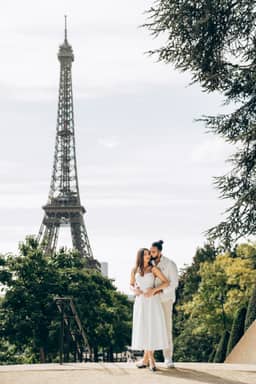
Best Time of Year for Paris Photos: An Honest Season Guide

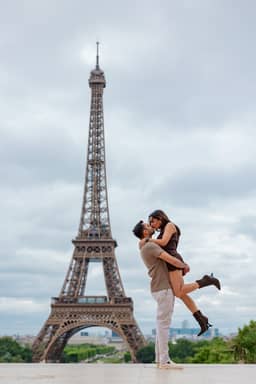
Every week, families, couples and solo travellers ask us the same question before they book a session: what is the best time of year for Paris photos? The honest answer is that Paris photographs beautifully in all four seasons — but each one hands you a completely different picture. A different light, a different crowd level, a different palette, and a different price of admission paid in comfort. Spring brings blossoms and sudden showers; summer brings endless golden evenings and heavy tourist traffic; autumn quietly delivers the softest light of the entire year; winter strips the city bare and then lights it with a million bulbs. There is no single “best month” for everyone — there is only the best month for you, your occasion and the pictures already in your head.
This guide is the season-by-season verdict we wish every visitor had before locking in their dates. We will walk through what each season actually looks like through a lens, which neighbourhoods peak and when, the honest downsides nobody puts in the brochure, and how to match the calendar to your occasion — a proposal, a family reunion, a milestone birthday, or simply a portrait worth framing above the fireplace. Every shoot we mention is a real, instantly bookable service with a real, upfront price, so you can reserve the right morning the moment you finish reading.
Does the Season Really Matter in Paris?
More than most people expect — but not for the reason they assume. It is not really about temperature; it is about light and crowds. Paris sits at latitude 48°N, further north than Montreal, so the length of the day swings dramatically across the year. In late June the sun rises around 5:50 am and sets close to 10:00 pm, handing photographers enormous golden-hour windows at both ends of the day. In late December the sun barely climbs above the rooftops, rising around 8:40 am and setting before 5:00 pm — which sounds restrictive, yet it means soft, low, flattering light lasts for the whole short day, and you never need a dawn alarm. Layer the seasonal rhythm of the tourist crowds on top of that, and the “when” of your trip shapes your photographs at least as much as the “where”.
Spring in Paris (March–May): Blossoms and Fresh Light
Spring is the sentimental favourite, and for a few golden weeks it fully earns the reputation. From mid-March the magnolias open, and from late March into April the cherry blossoms peak, dusting several of the city's best photo spots in pink and white. The lawns of the Champ-de-Mars beneath the Eiffel Tower, the terraced Trocadéro gardens, and the small squares around Notre-Dame on the Île de la Cité are the classic blossom stages — a curtain of petals with a monument rising behind it is the quintessential spring-in-Paris frame.
The light in spring is clean and bright, the city feels reborn, and the pre-summer weeks of late April and May carry noticeably thinner crowds than July. The honest downside is the weather: April is famously fickle, with sudden showers rolling through between blue-sky spells. Blossoms are fleeting, too — a single windy storm can strip a tree in a day, and peak bloom shifts a week or two from year to year with the temperature. If spring is your season, keep your dates flexible, watch the forecast in the final week, and hold a sheltered backup like the Palais-Royal arcades in mind. A shoot such as the Captivating Paris photo tour at the Eiffel Tower, from €150, sits perfectly for the Champ-de-Mars and Trocadéro blossoms.
Summer in Paris (June–August): Long Golden Evenings
Summer is Paris at its most generous with time. Around the June solstice the sun is up for more than sixteen hours, rising at roughly 5:47 am and setting close to 10:00 pm, with a long, slow golden hour bookending each day. The evenings are pure romance, with the sky still glowing rose and amber past 9:30 pm, long after dinner. Warm weather also unlocks the lightest, most relaxed styling of the year — floaty dresses, linen, bare shoulders — and the Seine comes alive with the Paris Plages pop-up beaches along the quays.
The 6 a.m. Advantage
That very early sunrise is the summer photographer's secret weapon. Arrive at the Trocadéro by 6:00 am and you can have the most photographed view in the world almost entirely to yourself, with warm light washing the tower and not a single tourist in the frame. The same trick works at the Louvre and along the bridges. The trade-offs are real, though: by mid-morning the famous spots are dense with visitors, July and August are the two busiest months of the year, and heatwaves — the French canicule — can push the thermometer past 35°C, which is unkind to formal outfits and full makeup. August has one curious upside: many Parisians leave for their own holidays, so residential neighbourhoods empty out even as the monuments stay packed. The rule for a summer shoot is simple — go early or not at all. Book the first slot of the day and treat the empty six-o'clock city as the luxury it is.
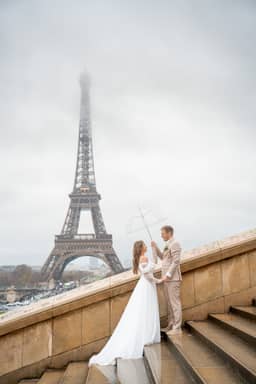
Autumn in Paris (September–November): The Photographer's Secret
Ask a Paris photographer for their private favourite and a surprising number will say autumn. September still carries summer's warmth but quietly sheds its crowds as the school holidays end, and from mid-October into November the whole city turns to gold. The chestnuts and plane trees of the Jardin des Tuileries, the Luxembourg Gardens and the village lanes of Montmartre fill with amber, copper and rust, and fallen leaves carpet the gravel paths for gorgeous texture underfoot.
The real gift of autumn, though, is the light. The sun tracks lower across the sky, so instead of a harsh vertical glare at midday you get soft, directional, flattering light for most of the day — the shooting window stretches far beyond the usual golden hour, which means you are not chained to sunrise or sunset. Temperatures are mild, layers look effortlessly elegant, and the low-season calm makes even the Louvre courtyards feel manageable. The only caveat is rain, which grows more frequent through November; but an overcast Paris sky is a giant natural softbox, casting even, shadow-free light that many portrait photographers quietly prefer. If you want the icons without summer's heat or crowds, an Eiffel Tower photo shoot from €150 is at its very easiest in autumn.
Winter in Paris (December–February): Bare Elegance and Christmas Lights
Winter is the most underrated season of all, and for certain shoots it is quietly the best. The trees stand bare, which sounds like a loss but reads on camera as architectural elegance: clean lines, uncluttered façades, and the full geometry of the boulevards on show. Crowds fall to their lowest of the entire year, so the Trocadéro, the Louvre courtyards and the bridges over the Seine are yours in a way they simply never are in June. And because the sun stays low from dawn to dusk, that gentle, golden-tinged light lingers all day long — no five-o'clock alarm required.
December adds a layer of pure magic. The Champs-Élysées illuminations, the decorated department-store windows along the grands boulevards, and festive lights strung across the city create a glittering backdrop from mid-November to early January. Blue hour arrives conveniently around 5:00 pm, timed almost perfectly with the Eiffel Tower's hourly five-minute sparkle — which is exactly why winter dusk is so beloved for proposals.
Styling for the Cold
Dress the season and it becomes an asset rather than an enemy. A tailored wool coat, a dramatic cape, leather gloves and a warm undertone in hair and makeup turn a grey afternoon into a cinematic, moody, lights-in-the-background Paris portrait. Bring a flask of something hot, keep a coat off-camera for the gaps between frames, and lean into the atmosphere. Winter portraits carry a depth and an intimacy that a bright summer noon simply cannot match.
Dates to Watch: Fashion Weeks, Holidays and Crowd Spikes
A handful of calendar events are worth planning around, whatever season you choose. Paris Fashion Week runs several times a year — womenswear in late February–March and again in late September–October, with menswear and haute couture clustered in January, June and July — and during those weeks central hotels are pricier and the streets around the show venues noticeably busier. The summer school holidays of July and August are the absolute peak for tourist density at the monuments. Late December, around Christmas and New Year, is festive and beautiful but popular, and the best light slots book out first. None of these are reasons to stay away — they are simply reasons to reserve earlier and to shoot at first light.
Match the Season to Your Occasion
The best time of year is really the best time for your photos. A few honest pairings, learned on the ground:
- Proposals and couples love winter dusk: blue hour lands around 5 pm, the tower sparkles on the hour, the crowds have gone home, and the cold is the perfect excuse to hold each other close.
- Families with children love June mornings: warm, dry, long days mean a relaxed early start without a freezing wait, and everyone stays comfortable and cheerful for the camera.
- Solo portraits and personal branding thrive in autumn, when all-day soft light and golden foliage flatter every frame — no dawn alarm needed.
- Blossom dreamers should target late March to mid-April and stay flexible, chasing the cherry trees around the Champ-de-Mars and the Notre-Dame squares.
- Large groups and multi-look shoots are easiest in the low seasons of late autumn and winter, when there is genuine room to move at every landmark.
Real Packages and Prices, Bookable in Any Season
Whatever month you choose, the price is the same and it is shown upfront — no seasonal surge, no hidden quote, no surprise on arrival. These are the real, instantly bookable sessions that suit this guide:
- Captivating Paris photo tour: Eiffel Tower — from €150, ideal for spring blossoms and summer sunrises around the Champ-de-Mars and Trocadéro.
- Eiffel Tower photo shoot — from €150, the flexible single-icon session that works in every season and any weather.
- Capture timeless moments at the Eiffel Tower and Louvre — from €350, a two-icon session made for autumn's soft all-day light and winter's empty courtyards.
Every figure above is a starting rate shown openly on its listing, so you can compare seasons and options without ever waiting for an email quote.
How Instant Booking Works Year-Round
Here is the part that makes seasonal planning painless. Every session on Kapturia shows its real price alongside a real-time availability calendar: pick your season, pick the date, pick the time slot, pay securely online, and receive an instant confirmation — often before you have even booked your flights. There is no waiting days for a reply and nothing to negotiate when you land. Browse the full catalogue of Paris photoshoots, compare real prices across the seasons, and lock in the morning that fits your trip in about three minutes.
Paris has no bad season — only different ones. Choose the light that matches your story, and book the morning that makes it yours.
FAQ
What is the best time of year for Paris photos?+
There is no single winner — it depends on what you want. Spring (late March to April) brings cherry blossoms; summer offers long golden evenings and empty 6 am streets; autumn delivers the softest all-day light of the year with golden foliage; winter gives bare architectural elegance, Christmas lights and the smallest crowds. For flattering light with few tourists, many photographers quietly favour autumn and winter.
What is the best month to visit Paris for photos?+
For blossoms, target early-to-mid April. For long, warm golden-hour evenings, choose June. For soft light, golden leaves and thin crowds, late October is hard to beat. For festive lights and the emptiest landmarks, go in December. September is the all-round sweet spot: summer warmth, autumn calm and comfortable temperatures for any outfit.
When do the cherry blossoms bloom in Paris?+
Paris cherry blossoms usually peak from late March to mid-April, with magnolias opening a little earlier in mid-March. The exact timing shifts a week or two each year with the weather, and peak bloom is brief — often just seven to ten days. The Champ-de-Mars, the Trocadéro gardens and the squares around Notre-Dame are the most photogenic spots. Keep your dates flexible and watch the forecast.
Is winter a good time for a Paris photoshoot?+
Yes, and it is underrated. Winter brings the lowest crowds of the year, so icons like the Trocadéro and the Louvre feel almost private. The low sun gives soft, flattering light all day with no dawn alarm, and from mid-November to early January the Christmas illuminations add a magical backdrop. Dress warmly with a wool coat or cape, and winter dusk becomes perfect for romantic and proposal photos.
How much does a Paris photoshoot cost, and can I book any season?+
A professional Paris photoshoot starts at €150 for an Eiffel Tower session, or from €350 for a two-icon Eiffel Tower and Louvre experience. Prices are the same year-round with no seasonal surge, shown upfront with no hidden quote. Every session is bookable instantly online through a real-time availability calendar, so you can lock in any date in spring, summer, autumn or winter in about three minutes.