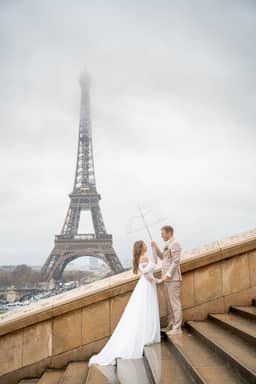
When Is the Best Time to Visit Paris? A Season-by-Season Guide

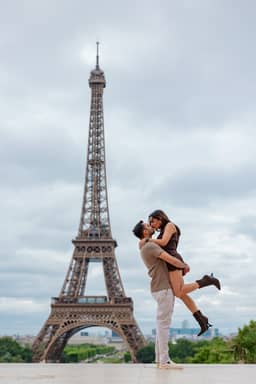
Short answer: the best time to visit Paris is late spring (April to June) and early autumn (September to October). Those two shoulder windows sit either side of the summer peak and give you the best balance of pleasant weather, long-enough days, manageable crowds and fair prices. Everything else is a trade-off you can make on purpose, once you know how each season really feels. This guide gives you the season-by-season verdict on weather, crowds, prices and daylight, then a month-by-month list so you can match Paris to the trip you have in mind.
In a hurry? Go in May or September for the best all-rounder, October for golden autumn light, December for the Christmas sparkle, and January to February for the lowest prices and the smallest crowds.
When is the best time to visit Paris overall?
The best time to visit Paris is generally from April to June and again in September and October. These shoulder months sit either side of the summer peak and tend to deliver the most of what makes the city enjoyable: comfortable temperatures, long-enough days, gardens in leaf or turning gold, and crowds that feel lively rather than overwhelming. Prices for flights and hotels usually ease compared with high summer, and you can still see everything without queuing for hours. If you remember one thing from this guide, remember those two windows. There is a bonus, too: the light in these months is softer and warmer than the flat glare of high summer, so the city photographs beautifully. That said, every season makes its own case, so let us walk through them, weighing what each does well and what it quietly asks you to accept.
What is Paris like in spring (March to May)?
Spring is many people's favourite. Early March can still be grey and cool, but by April the city softens: blossom appears, cafe terraces fill up, and the parks turn green. Temperatures are typically mild rather than hot - think light-jacket weather that warms through the day, with the odd passing shower. Days lengthen quickly, giving you long, bright evenings for walking. Crowds build through the season and peak around the Easter holidays, but outside those weeks the balance of good weather and breathing space is hard to beat. Pack layers and a small umbrella, dress for a cool morning that warms into a mild afternoon, and you will stay comfortable from breakfast to a late dinner. Spring is best for garden strolls, gentle sightseeing and photography in fresh, flattering light.
What is Paris like in summer (June to August)?
Summer brings the longest days and the warmest weather, along with the biggest crowds of the year in June and July. Expect warm afternoons, occasional hot spells, and the city in full swing with open-air cinema, festivals and packed terraces. It is a wonderful, buzzing time to visit, but queues at the headline sights are longest and prices are at their highest.
August is its own story. Many Parisians leave on holiday, so some family-run restaurants and small shops close for a few weeks and certain neighbourhoods feel quieter. In exchange, the city is more relaxed, traffic thins out, and the major museums and monuments stay open for visitors. If you do not mind that a few local favourites are shuttered, August can feel surprisingly easy-going, and the summer riverside pop-ups and late museum openings give the evenings a proper holiday mood. On the hottest afternoons, do as locals do and slow down: a shady park, a long lunch, and sightseeing saved for the cooler morning and evening. Summer is best for long evenings, riverside events and travellers who want maximum daylight.
What is Paris like in autumn (September to November)?
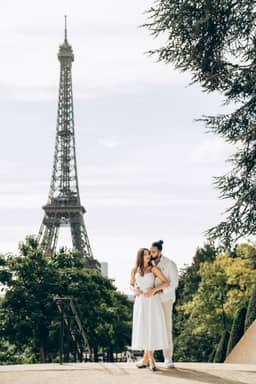
Autumn is the other sweet spot, and for photographers it may be the best of all. September and October bring soft, golden light, mild days and the return of the cultural season after the summer lull. The peak-summer crowds have thinned, hotel prices generally settle, and the parks put on their colour. Early autumn feels a lot like late spring with a warmer palette; by November the weather turns cooler and greyer and daylight shortens noticeably, though the mood becomes cosy and the museums are blissfully calm. September in particular keeps much of summer's warmth while handing back the space, which is why so many returning visitors quietly rate it their favourite month of all. Autumn is best for sightseeing without the crush, cafe afternoons and that famous low, warm light.
What is Paris like in winter (December to February)?
Winter is the quiet, atmospheric season. It is cold and often grey, with short days and the occasional crisp, blue-sky morning that makes the monuments gleam. December sparkles with festive illuminations, decorated department stores and Christmas markets, and it is genuinely magical - though the run-up to the holidays gets busy and pricey. January and February are the calmest, cheapest months of the year: the shortest queues, the lowest hotel rates, and a city that belongs to locals again. Pack warm layers and plan indoor treats between sights - a long cafe lunch, a warm gallery, a patisserie stop - and the short days never feel like a limitation. Winter also brings the season of sales and the quietest big-museum mornings you will ever get. Winter is best for museum lovers, budget travellers and anyone who prefers a hushed, twinkling Paris to a crowded one.
How many hours of daylight does Paris get?
Daylight changes dramatically across the year, and it shapes how much you can pack into a day. Around the winter solstice in December, Paris gets roughly eight hours of daylight, with the sun setting in the late afternoon, so plan outdoor sightseeing early. By the summer solstice in June, you get around sixteen hours, with light lingering well into the evening and long, slow dusks made for a stroll. Spring and autumn sit in between and shift fast. One practical note: France observes daylight saving time, moving the clocks forward in late March and back in late October, which is when evenings suddenly feel much longer or shorter. It pays to know your rough sunset time for the day: the hour before it is when Paris glows, and pencilling in a viewpoint or a riverside walk for then rewards you every single time.
When is Paris cheapest, and when is it most crowded?
As a rule, prices and crowds move together, and both peak in summer and around the winter holidays. The busiest, most expensive stretches are roughly June to August and the weeks around Christmas and New Year, when demand for flights and hotels is highest. The best value is usually in the depths of winter, from January to early March (holidays aside), when hotel rates fall and the big sights are at their emptiest. The shoulder seasons - April to June and September to October - are the clever middle ground: not the rock-bottom prices of January, but far better weather, and still noticeably calmer and cheaper than peak summer. Booking ahead always helps, especially for spring weekends and anything in December.
Which events should I plan around?
Paris keeps a full calendar, and a few dates are worth either catching or dodging. Some highlights that recur each year:
- Late spring - the cultural and gallery season is in full flow, with major exhibitions and open-air events getting under way.
- Midsummer - the June solstice brings a citywide music celebration, and mid-July sees the national holiday with fireworks and crowds.
- Late July - a famous cycling race finishes in the centre, drawing big crowds for the day.
- September - heritage days open the doors of buildings usually closed to the public, a treat for the curious.
- Autumn nights - a night-long arts festival lights up the city, and the cultural season is at its richest.
- November to early January - festive illuminations, Christmas markets and the department-store windows make the centre glow.
Fashion weeks and big trade fairs can also spike hotel prices for a few days at a time, so if your dates are flexible it is worth a quick check before you book.
So which month should you choose?
Here is the quick, honest verdict month by month, so you can match Paris to the trip you want:
- January - cold and quiet, but the cheapest month with the shortest queues; ideal for museums and deals.
- February - still wintry and calm, with spring on the horizon; good value and easy sightseeing.
- March - a shoulder-season swing: changeable weather, but lengthening days and reviving parks.
- April - blossom, mild days and long evenings; one of the loveliest months, though Easter can be busy.
- May - arguably peak Paris: warm-ish, green and bright, with several public holidays that crowd long weekends.
- June - long days and warm weather launch summer; buzzing and beautiful, and getting busier.
- July - hot, lively and crowded, with big events; wonderful energy if you do not mind the queues.
- August - warm and relaxed with locals away; a few closures, but the major sights stay open and the pace is gentle.
- September - a top pick: golden light, mild weather, thinning crowds and the cultural season returning.
- October - autumn colour and soft light at fair prices; comfortable for walking and photography.
- November - cooler and greyer as daylight shrinks, but calm and affordable, with festive lights arriving late in the month.
- December - short, cold days lit up by holiday sparkle; magical, but busy and pricey around the festivities.
Whenever you go, Paris rewards a little planning - and one thing worth planning around is the light. The soft, golden hours of late spring and early autumn are when the city looks its most photogenic, which is why they are the favourite seasons for a Paris photoshoot. If you want to come home with images that show your trip at its best, a Capture Timeless Moments at the Eiffel Tower & Louvre photoshoot makes the most of that flattering seasonal light, from EUR 350, with an experienced local eye choosing the spots and the timing for you. Browse the full catalogue of Paris photoshoots to find a session that fits your dates and your style, then let the season do the rest.
FAQ
What is the best month to visit Paris?+
For the best all-round experience, aim for May, June, September or October. These shoulder months balance comfortable weather, long days and lively-but-manageable crowds, with prices below the summer peak; May and September are especially lovely. If your priority is low prices and quiet museums instead, January and February are unbeatable, as long as you pack for the cold and the shorter days.
When is the cheapest time to visit Paris?+
The cheapest time is usually the depths of winter, from January to early March, once the Christmas and New Year holidays are over. Hotel rates drop, flights ease, and the big sights are at their quietest, so your money goes further and queues are short. Avoid the festive weeks in late December, which are among the busiest and priciest of the whole year.
What is the weather like in Paris?+
Paris has a mild, changeable climate rather than extremes. Summers are typically warm with the occasional hot spell; winters are cold and often grey but rarely severe, with only the odd snowfall. Spring and autumn are mild and variable. Rain can appear in any season, usually as passing showers rather than all-day downpours, so a light waterproof and a few layers are sensible year-round.
Is August a good time to visit Paris?+
It can be. In August many Parisians are away on holiday, so some family-run restaurants and small shops close for a few weeks and certain areas feel quiet. In return, the city is relaxed and less hectic, and the major museums and monuments stay open. If you are happy to plan around a few closures, August offers warm weather and a gentler pace.
What is the best time to visit Paris for fewer crowds?+
For the fewest crowds, go in winter, especially January and February, when tourist numbers are lowest and you can often walk into major sights with little waiting. Weekdays in late autumn are also calm. If you want quiet plus decent weather, aim for early spring or late autumn, when the shoulder-season lull keeps queues short without the deep winter chill.
Which season is best for photos in Paris?+
Late spring and early autumn are the most flattering for photography, thanks to soft, golden light and comfortable temperatures for being outdoors. Mornings and the hour before sunset give the warmest tones and the emptiest backdrops at popular landmarks. Summer offers the longest shooting days, while winter brings moody skies and festive lights, so every season has its own distinct look.